Surgical Guide Design for Dental Implants
Category:
TIPS
May 3, 2024
Surgical Guide Design for Dental Implants
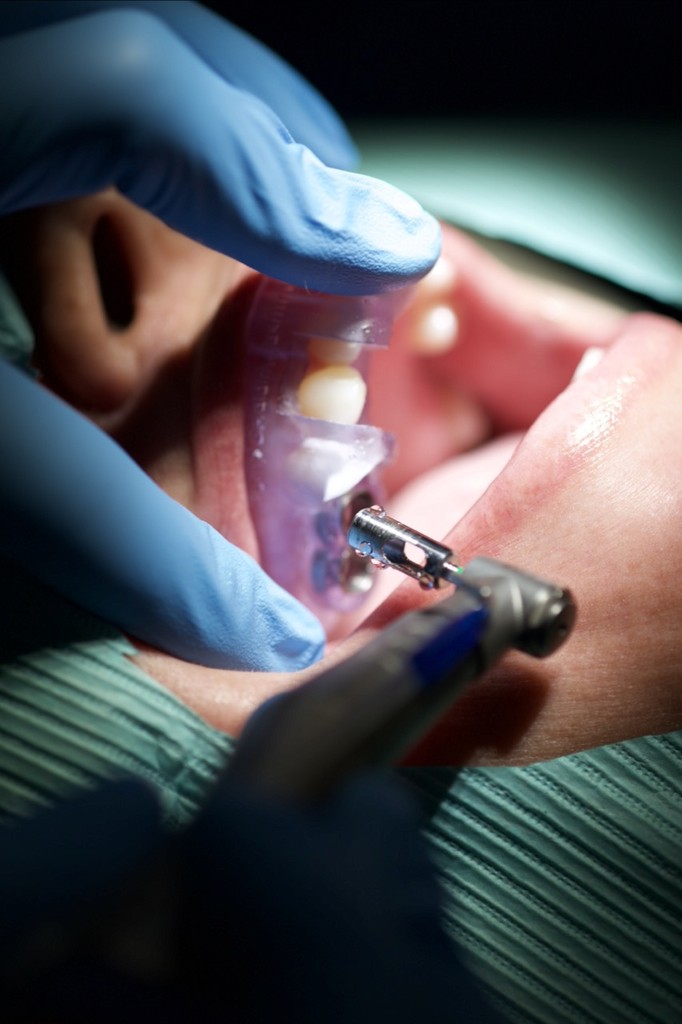
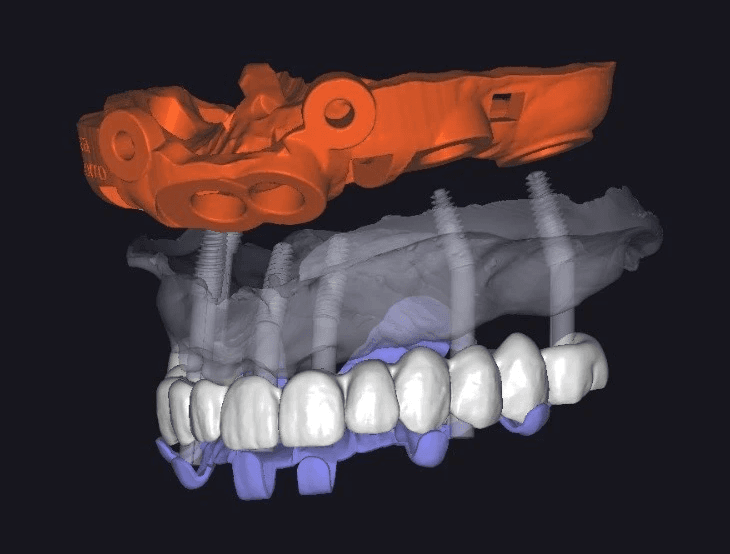
Surgical guides play a critical role in modern implant dentistry by translating a digital treatment plan into precise surgical execution. By combining CBCT imaging, intraoral scans, and implant planning software, clinicians can place implants with greater accuracy and predictability.
Guided surgery allows clinicians to control implant position, depth, and angulation according to the prosthetic plan.
Digital Planning and Data Integration
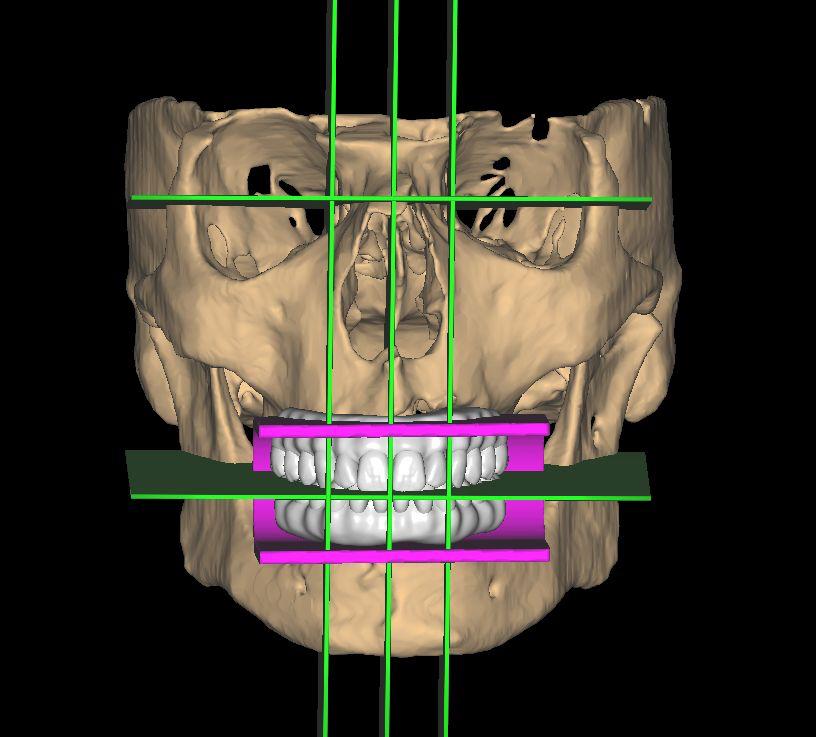
The process begins by combining CBCT data with intraoral scans to create a complete digital model of the patient’s anatomy.
This integration allows clinicians to visualize:
• bone structure
• soft tissue contours
• prosthetic surfaces
• anatomical limitations
Prosthetically Driven Implant Placement
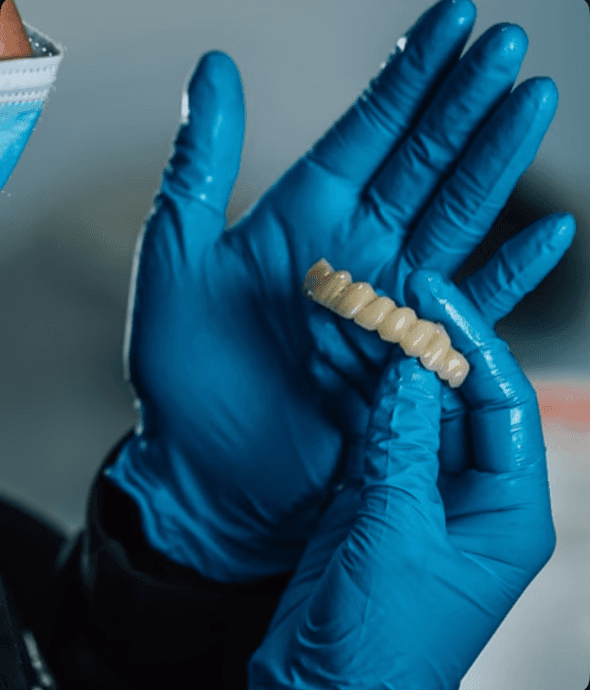
Modern surgical guides are designed using a prosthetically driven approach. Instead of placing implants based only on bone availability, the implant position is determined according to the final restoration.
This ensures:
• correct emergence profile
• proper prosthetic access
• improved aesthetics and function
Types of Surgical Guides
Different clinical situations require different guide designs.
Tooth-supported guides
Used when natural teeth are present to provide stable positioning.
Mucosa-supported guides
Common in edentulous cases and full-arch implant treatments.
Bone-supported guides
Used in advanced cases where direct bone support is required.
Benefits of Guided Implant Surgery
Digital surgical guides provide several advantages:
• improved implant placement accuracy
• reduced surgical time
• better restorative outcomes
• improved communication between clinic and laboratory
Conclusion
Surgical guide design is an essential component of modern implant workflows. By integrating digital planning with guided surgery, clinicians can achieve predictable implant placement and improved prosthetic outcomes for their patients.