How to Align CBCT and Intraoral Scans for Implant Planning
Category:
RESOURCES
May 2, 2024
How to Align CBCT and Intraoral Scans for Implant Planning
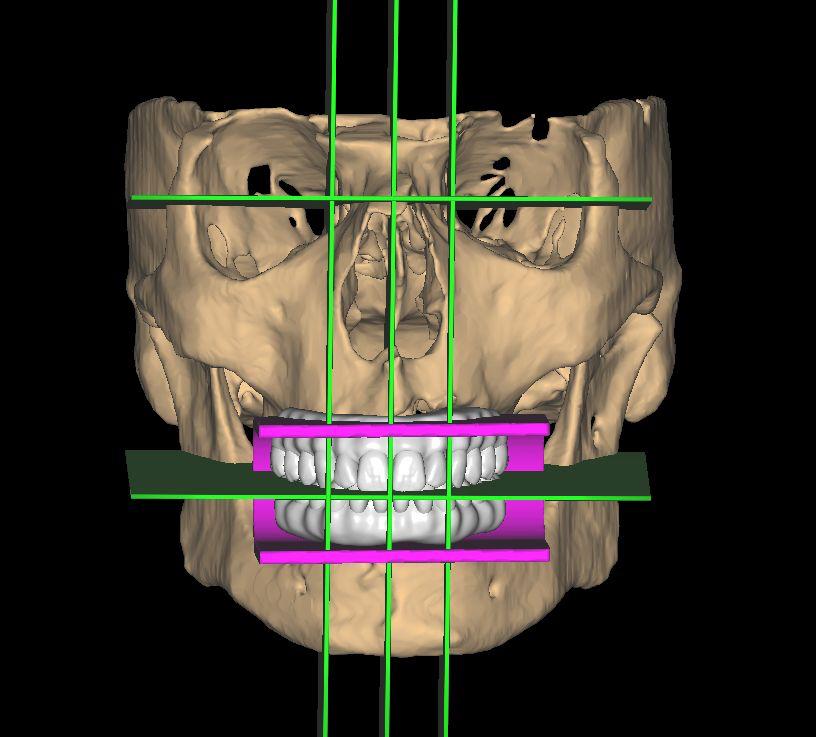
Accurate alignment of CBCT data with intraoral scans is a critical step in digital implant planning. By combining these datasets, clinicians can visualize both the patient’s anatomy and prosthetic surfaces in a single digital environment.
This integration allows implant placement to be planned according to the final restoration while respecting anatomical structures.
Why Data Alignment Matters
CBCT scans provide information about bone and anatomy, while intraoral scans capture detailed surface data of teeth and soft tissues.
When these datasets are aligned correctly, clinicians can plan implant placement with greater accuracy and prosthetic predictability.
Digital Workflow
A typical workflow includes:
Import CBCT DICOM files into planning software
Import intraoral scan STL files
Perform surface matching between scans
Verify alignment accuracy
Begin prosthetically driven implant planning
Benefits
Accurate data alignment improves:
• implant positioning
• prosthetic design accuracy
• surgical guide precision
• communication between clinic and laboratory
Conclusion
Combining CBCT and intraoral scan data creates a powerful digital environment for implant planning. When properly aligned, these datasets allow clinicians to plan implant placement with precision and confidence.
Article 5
Title
Digital Workflows in Modern Implant Dentistry
Slug
digital-workflows-modern-implant-dentistry
Date
03/27/2026
Tag
Digital Dentistry
Image name
digital-implant-workflow
Content
Digital Workflows in Modern Implant Dentistry
Digital technology has transformed implant dentistry by improving planning accuracy, communication, and treatment predictability. Modern workflows integrate imaging, scanning, design software, and guided surgery into a seamless process.
These tools allow clinicians and laboratories to collaborate more efficiently while delivering better outcomes for patients.
Key Components of a Digital Workflow
Modern implant workflows typically involve:
CBCT imaging
Provides 3D visualization of bone anatomy and vital structures.
Intraoral scanning
Captures accurate digital impressions of teeth and soft tissue.
Implant planning software
Allows clinicians to plan implant placement virtually.
Surgical guide fabrication
Transfers the digital plan to the surgical procedure.
Advantages of Digital Dentistry
Digital workflows offer multiple advantages:
• improved diagnostic accuracy
• more predictable implant placement
• faster communication between clinic and laboratory
• reduced treatment time
Future of Digital Implant Dentistry
As technology continues to evolve, digital workflows will play an even larger role in implant treatment planning and restorative design.
Clinicians who adopt these technologies can improve both efficiency and treatment outcomes.