Services
Digital dentistry design services for clinics & labs
I plan and design implant cases end to end — implant planning, surgical guides, full-arch / All-on-X, immediate-loading provisionals, exocad crowns, veneers and bridges, and night guards. You send a CBCT (DICOM) plus an intraoral scan (STL); I return print- or milling-ready files in 24–48h, planned in exocad and Blue Sky Plan and reviewed by me personally. Revised until it is clinically right, and you pay after you approve.
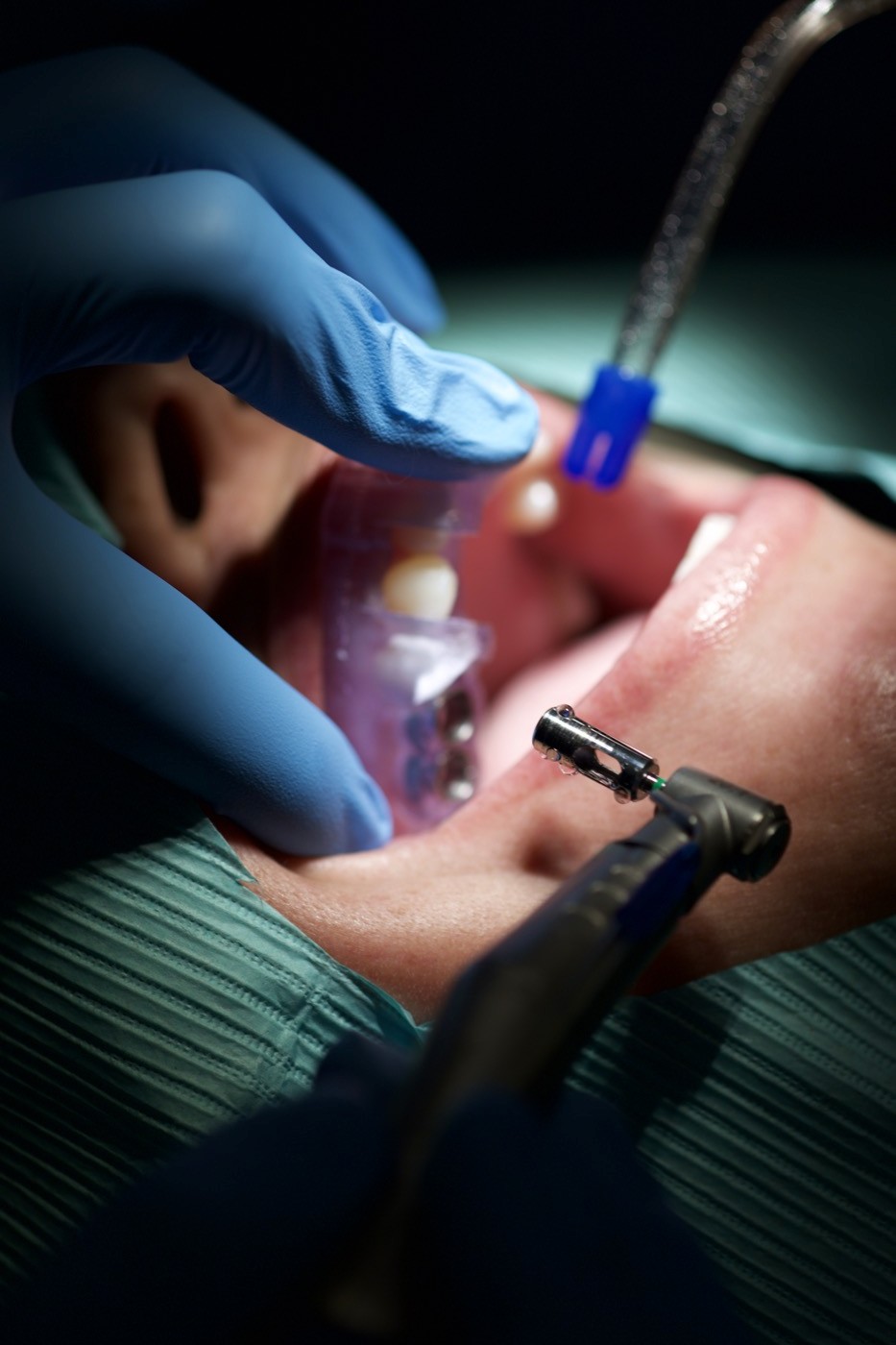
What I design
Six services, one designer
Choose a service to see the workflow. Each link opens the exact inputs, outputs, and turnaround.
The math
Hire in-house CAD vs. outsource to a remote designer
An in-house CAD hire is a fixed cost every month — salary, licenses, and a single point of failure when volume spikes. Outsourcing turns that into a per-case cost you only pay once the design is approved.
| In-house hire | Outsource to Nico | |
|---|---|---|
| Setup cost | Workstation, scanners, training | None — send files, get files back |
| Software licenses | exocad, Blue Sky Plan, etc. — annual, per seat | Included in the case price |
| Turnaround | Limited by one person's hours | 24–48h, 24h rush available |
| Capacity / overflow | Bottlenecks when volume spikes | Scales case by case, no idle staff |
| Who you talk to | Depends on the hire | Nico directly — one named designer |
| Fixed monthly cost | Salary + licenses every month | $0 — you pay per case, after you approve |
FAQ
Before you send a case
What files do you need?
A CBCT export as DICOM plus an intraoral scan as STL. For restorative-only work the STL alone is enough. If anything is missing I tell you before starting.
How fast is turnaround?
Most cases come back in 24–48h. A 24h rush is available when you flag it. You review the design and only pay once you approve it.
Do you work with my implant system / exocad?
Yes. Planning is done in Blue Sky Plan and restorations in exocad, and I work with any implant system — send the library or tell me the brand and I match it.
Do you white-label for labs?
Yes. Labs outsource overflow and specialist cases to me under their own name. Files come back clean and unbranded, ready to pass to your client.
Based in Aruba
Local clinics and labs, in person
The lab is based in Aruba. If you are on the island we can sit over the CBCT together before the case is booked, in your language, in your working hours — and you get the same print-ready files everyone else does, in 24–48 hours.
Plan it together
Aruba clinics can review implant positions with me on screen before the surgical date, instead of trading emails across time zones.
Nothing ships, nothing clears customs
The deliverable is a file. Scans in, print-ready design out — no courier, no import paperwork, no case sitting at the airport.
English, Spanish, Papiamento, Dutch
Case notes, preference sheets and calls in whichever of the four is easiest for your team.
Serving dental clinics and laboratories across the United States and worldwide, remotely — with local in-person support in Oranjestad, Noord, Palm Beach, Eagle Beach, San Nicolas, Santa Cruz, Savaneta, Paradera, Piedra Plat and Tanki Leendert.
Start here
Send your first case
See exactly what each service costs, or send a case and get a planned design back in 24–48h. You approve before you pay.
Updated Aug 2026